

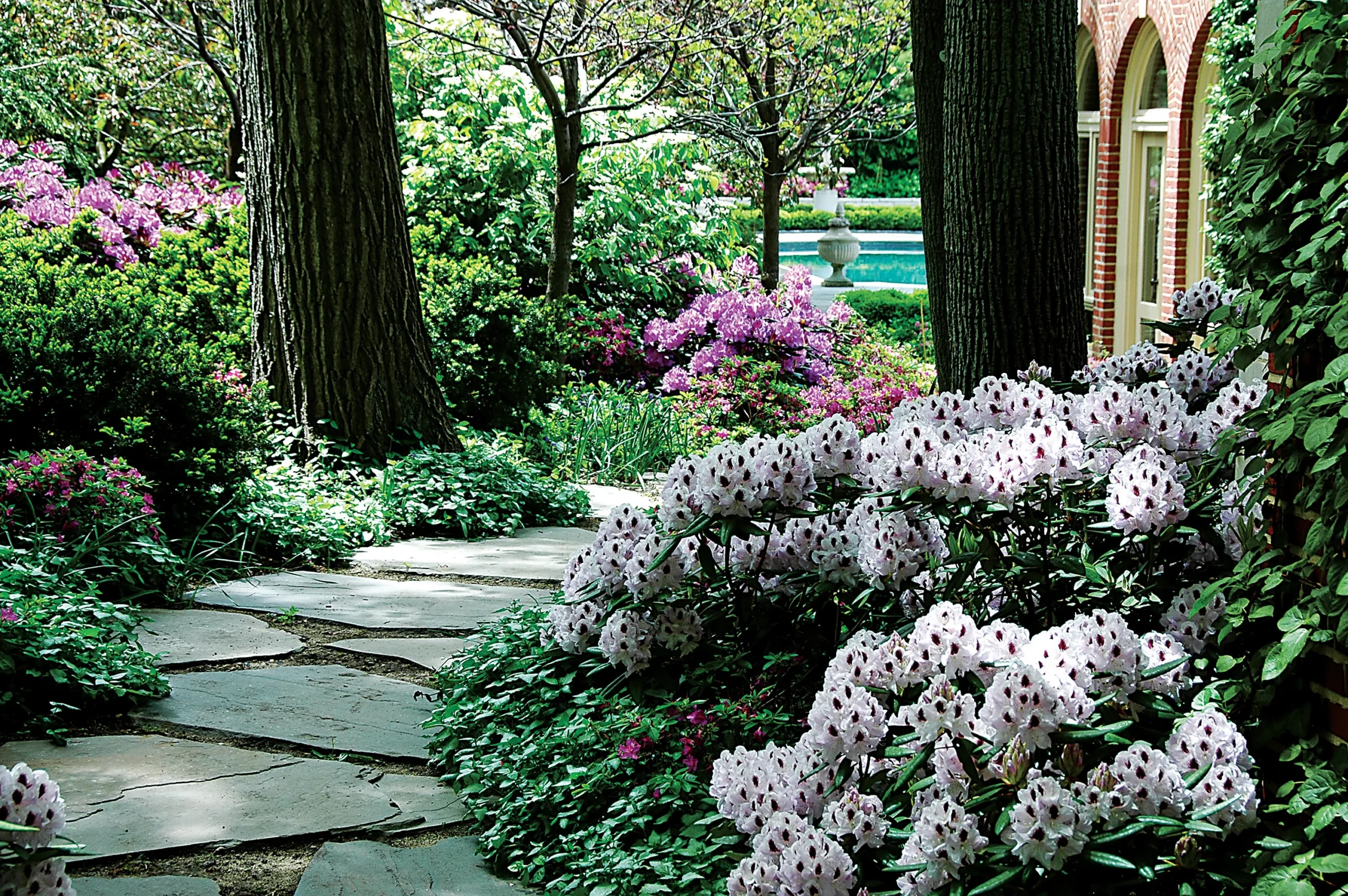
A lot of Burlington County properties have significant shade — mature oaks, maples, and pines that have been growing for decades and now throw shade over half the yard. The question we hear constantly is: what can I actually plant under there?
The good news is there are more options than most people realize. You’re not stuck with mulch and bare ground. Here’s what works in shaded South Jersey landscapes, from foundation plantings to woodland-edge beds.
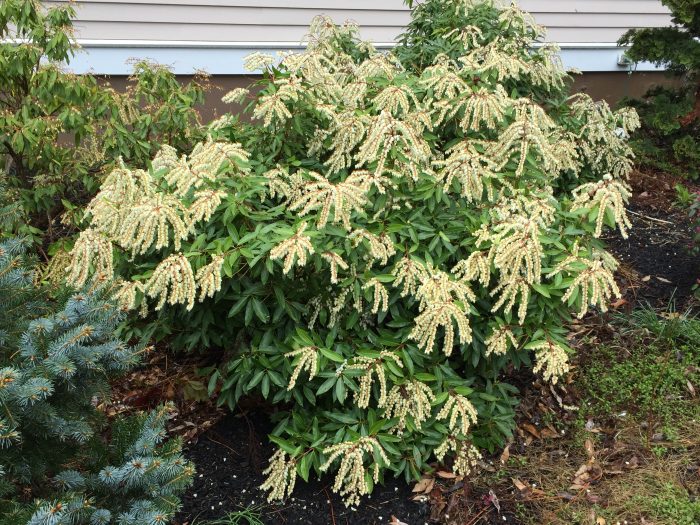
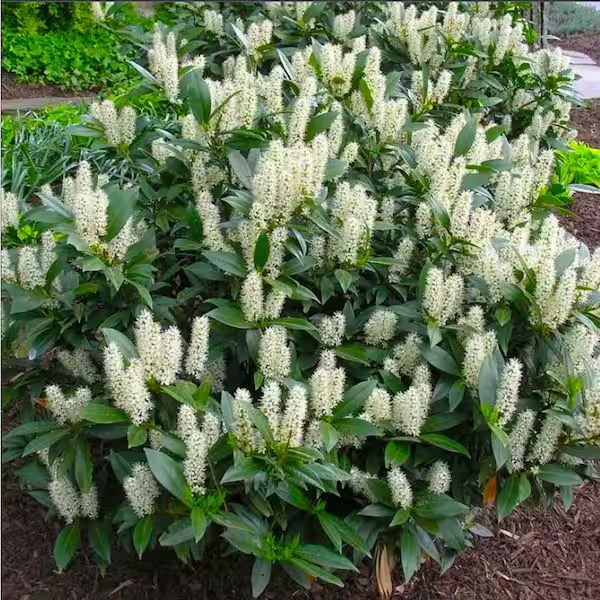
Andromeda
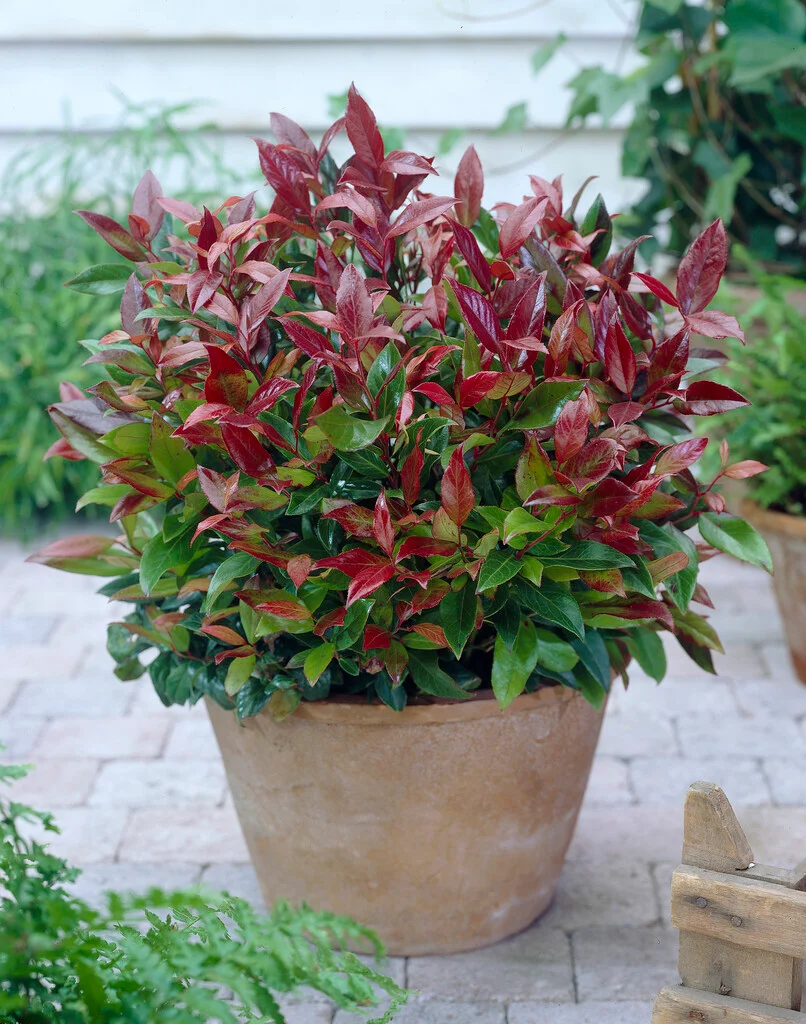
Andromeda is one of the most underappreciated evergreen shrubs for shade, and it deserves a lot more attention. It blooms in very early spring — sometimes as early as March — with drooping clusters of small white flowers that look similar to lily of the valley. But the bloom is only part of the story. The new growth that follows comes in bright red before maturing to green, which gives the plant almost continuous seasonal interest.
It stays compact at 4–6 feet, holds a clean shape without much pruning, and thrives in the same acidic, well-drained soil that rhododendrons and azaleas prefer — which makes it a natural companion plant in shaded foundation beds. Part shade to full shade. Very low maintenance once established. If you’re not planting this one, you should be.
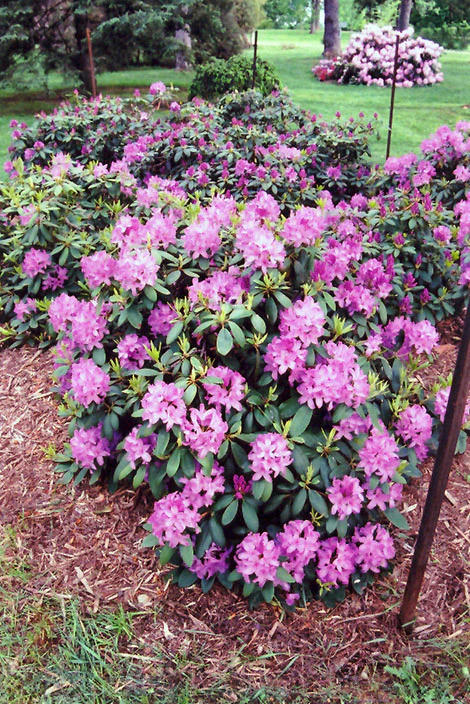
Rhododendron
Rhododendron is the backbone of shaded foundation planting in South Jersey and for good reason. Large, glossy evergreen leaves hold structure and color all winter, and in late spring the flower show — pink, red, white, purple, or lavender depending on variety — is hard to beat.
They do have specific needs: acidic soil, good drainage, and protection from harsh winter winds. In Burlington County that usually means a north or east-facing foundation bed with some overhead protection from existing trees. Get the conditions right and a rhododendron will live for decades and get more impressive every year.
Pair them with andromeda and azalea for a layered shade bed that has something going on in every season.
Azalea
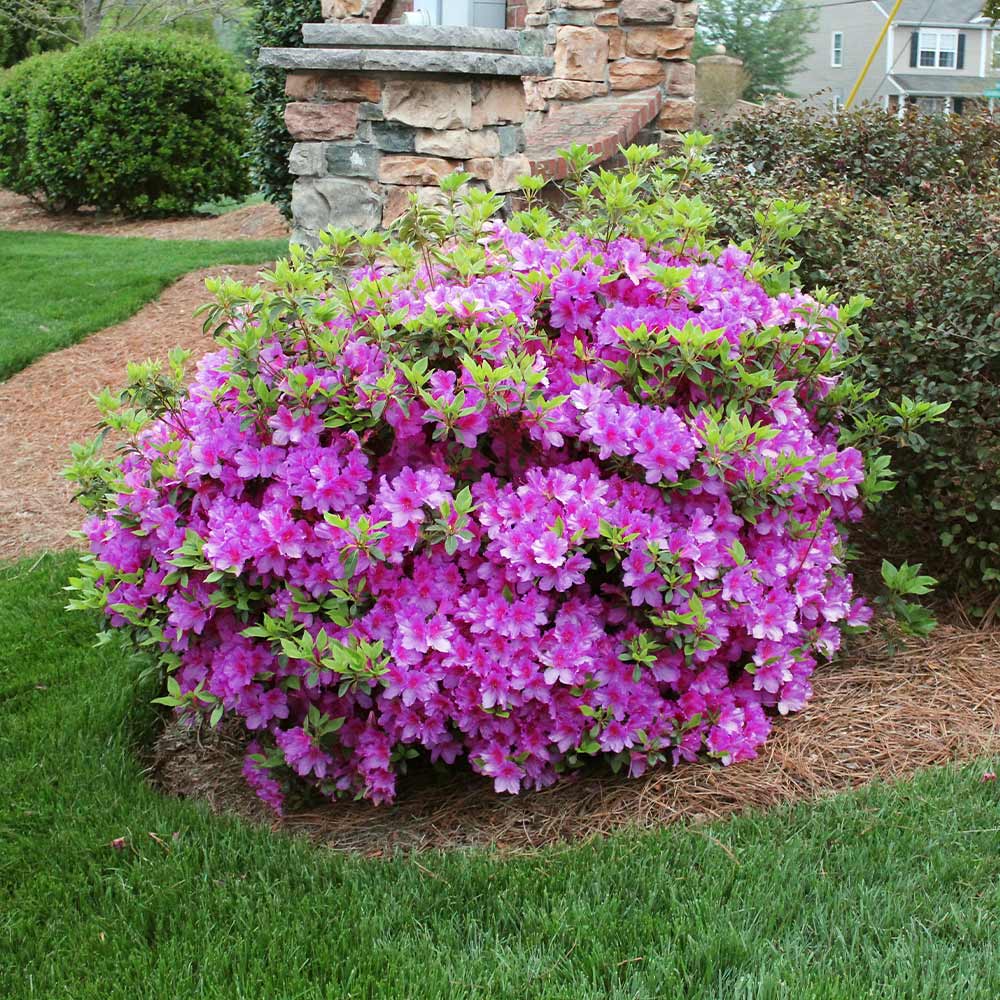
Azalea and rhododendron are closely related — azalea is essentially the smaller, finer-leafed cousin. They handle part shade well and bloom heavily in spring in a wide range of colors. Depending on the variety you can choose evergreen or deciduous. Evergreen azaleas hold their foliage through winter and are the more common choice for foundation plantings.
Azaleas tend to be more compact than rhododendrons — most stay in the 3–5 foot range — which makes them useful for the front row of a layered shade bed or tight spots along a foundation. One of the most planted shrubs in the area for a reason.
Skip Laurel / Cherry Laurel
Skip laurel is one of our most-planted shrubs for good reason — it’s fast growing, evergreen, and handles both sun and shade better than most plants in its size range. In shaded conditions it works well as a privacy screen or backdrop plant, pushing 8–10 feet relatively quickly and holding dense green foliage year-round.
It does prefer part shade over deep shade — in very low light conditions the growth gets looser and the screening effect suffers. But for the typical Burlington County yard where shade comes from overhead tree canopy rather than a north-facing wall, skip laurel performs reliably and fills space fast.
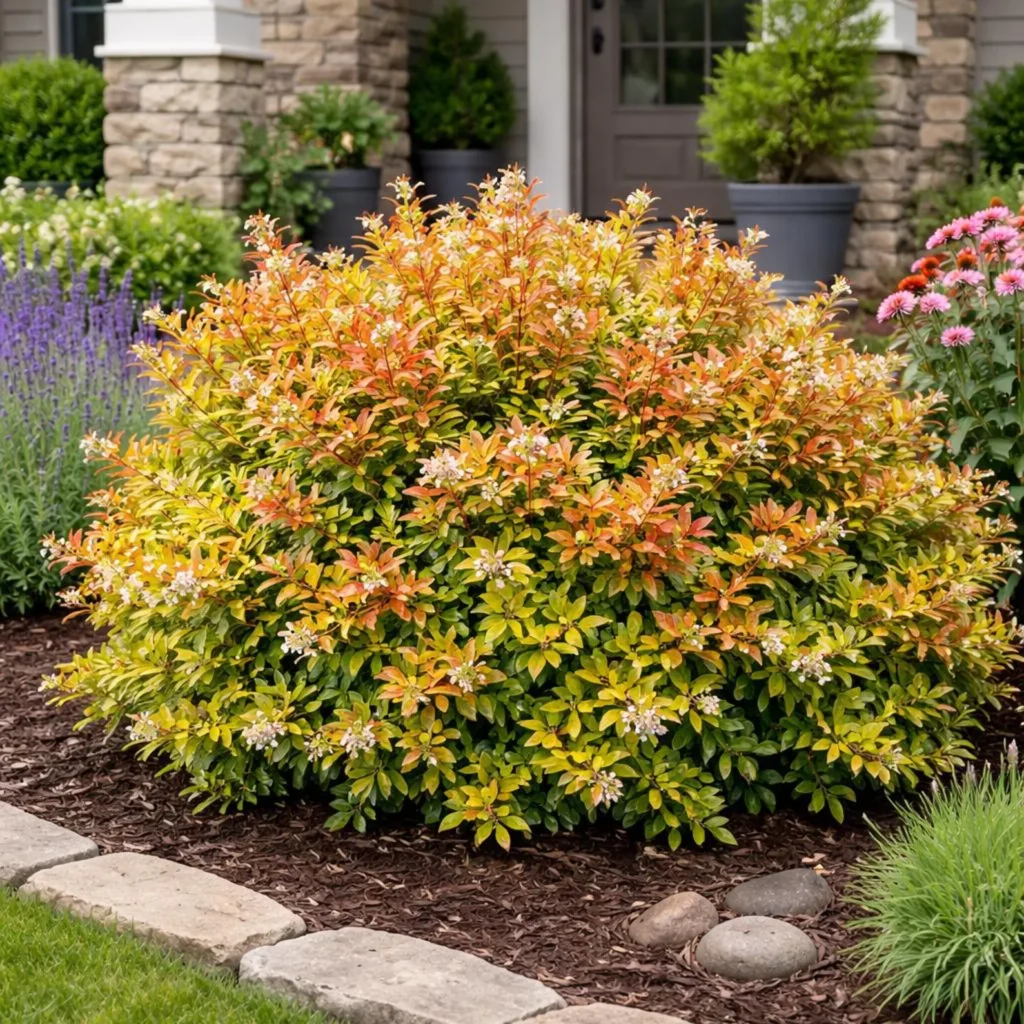
Abelia
Abelia is a go-to for part shade situations where you want something that blooms for a long stretch rather than just two weeks in spring. It flowers from summer into fall with small white to light pink tubular flowers that pollinators love, and the foliage takes on a bronze tint as the season progresses. It stays in the 3–5 foot range, has a graceful arching habit, and requires almost no maintenance.
If you have a partially shaded spot along a walkway or patio edge where you want summer color without full sun, abelia is one of the better answers.
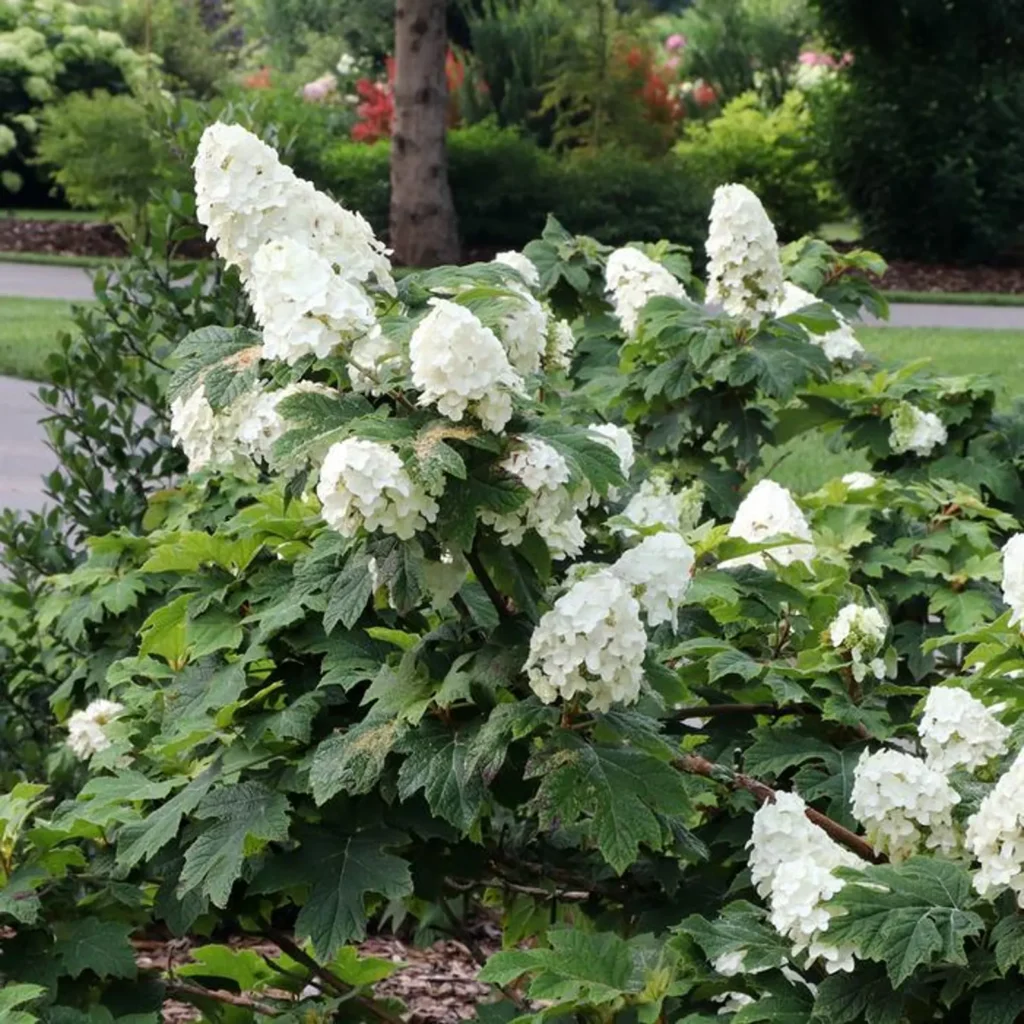
Oakleaf Hydrangea
Oakleaf Hydrangea is the best flowering shrub for shade — not just on this list, but in general for South Jersey landscapes. It’s a native plant, which means it’s adapted to local soils and conditions. It blooms in early summer with large cone-shaped white flower clusters that gradually fade to parchment and hold their shape through fall and into winter. The large lobed leaves turn deep red and burgundy in fall. The exfoliating bark on mature stems looks good in winter. It earns its space in every season.
It grows 4–8 feet and spreads over time into a substantial clump. It handles more shade than other hydrangea types — morning sun or dappled light under trees is ideal. This is not the mophead hydrangea that needs careful light management. Oakleaf is tougher and more adaptable.
Note: if you’re thinking about hydrangeas for shade, Oakleaf is the one. Bigleaf hydrangeas (the classic mophead) need morning sun to bloom reliably and don’t perform well in deeper shade.
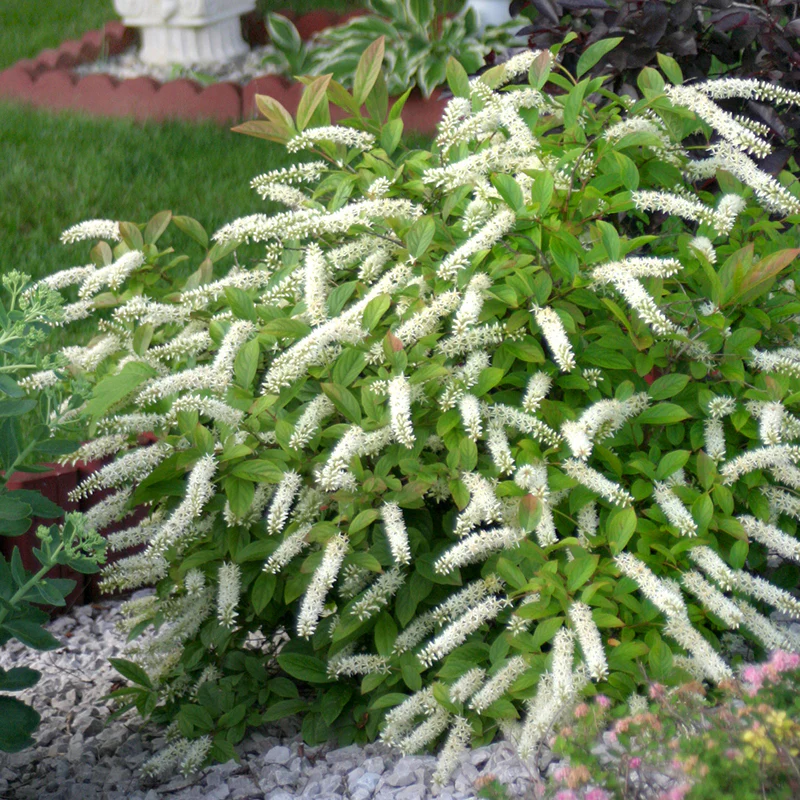
Itea / Little Henry (Virginia Sweetspire)
Itea virginica is a native shrub that checks a lot of boxes — it handles part to full shade, blooms in early summer with fragrant white flower spikes, and delivers some of the best fall color of any shrub in this size range. The foliage turns deep red to burgundy-purple in fall and holds late into the season.
Around here it’s most commonly sold as Little Henry, which is a compact cultivar that stays 2–3 feet — more manageable than the standard species which can reach 4–5 feet. Little Henry works well as a front-of-bed plant, a border along a shaded walkway, or mass planted under trees. Low maintenance, reliable, and native — it’s a plant we recommend often and one that consistently performs.
Leucothoe
Leucothoe is the plant for situations where shade is deep and not much else will grow. It has an arching, fountain-like form with long evergreen leaves that turn burgundy and bronze in winter — it’s one of the few evergreen shrubs that actually looks better in winter than in summer. White flowers appear in spring but are secondary to the foliage.
It stays in the 3–4 foot range and spreads slowly over time. It works well as a groundcover-scale plant under large trees, along shaded slopes, or in front of taller shade shrubs. Plant it where you need low, year-round coverage in difficult shade conditions.
Honorable Mention: Hosta
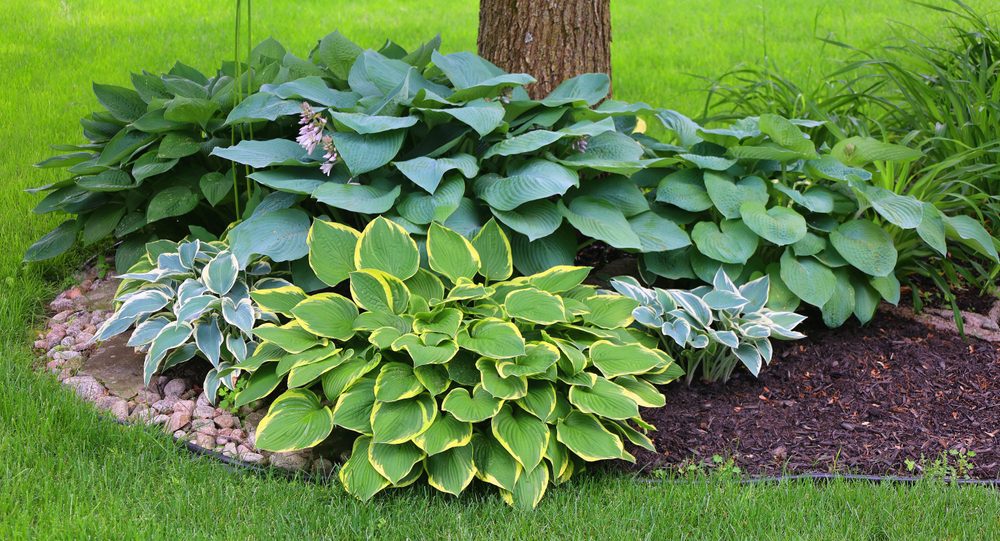
Hosta isn’t a shrub — it’s a perennial — but it deserves a mention here because it’s one of the most reliable and versatile plants for shaded beds in South Jersey, full stop.
Hostas are grown primarily for their foliage, which comes in an enormous range of sizes, colors, and textures — from small compact mounds to giant leaves over two feet across, in colors from chartreuse to deep blue-green to variegated green and white. They flower in mid to late summer with lavender or white stalks, but the foliage is the main reason to plant them.
They’re virtually indestructible once established and come back bigger every year. The one issue in Burlington County is deer — deer pressure here is significant and deer love hostas. If deer are a problem on your property, either choose a fragrant variety (deer tend to avoid those) or protect them until established.
For a clean, low-maintenance shade bed, the combination of taller rhododendron or andromeda in the back, oakleaf hydrangea or itea in the middle, and hostas as a front border is one of the most reliable planting designs we use.
Putting It Together
The best shade plantings aren’t just a collection of individual shrubs — they’re layered. Tall evergreens in the back for structure and privacy, mid-size flowering shrubs in the middle for seasonal color, and low groundcover-scale plants in the front for finished edges. That layered approach looks intentional, covers ground that would otherwise be bare, and gives you something to look at in every season.
If you have shaded areas on your property that aren’t doing much right now, most of them can be planted. Morgan Landscape does landscape design and planting throughout Burlington County — Lumberton, Eastampton, Mount Laurel, Westampton, and the surrounding towns.