

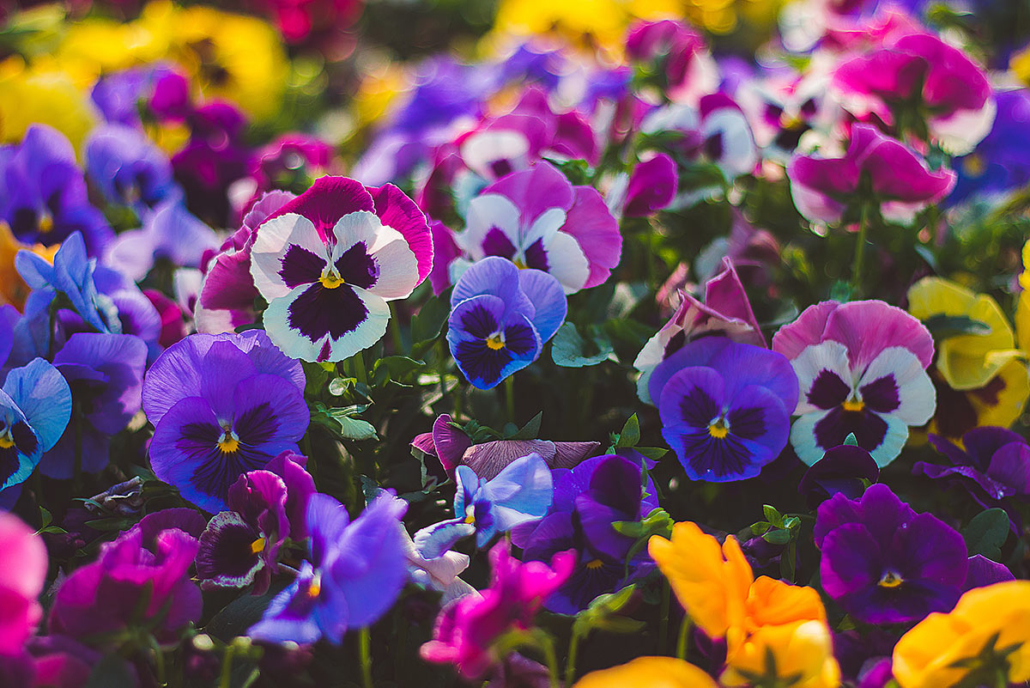
Annual flowers are one of the fastest ways to change the look of a property. A set of beds that look tired and empty in April can look sharp and colorful within a few days of planting. The key is knowing which flowers work in which season — because in South Jersey, the plants that look great in May are often burnt out by August, and the ones that shine in September need to go in while summer plants are still standing.
Here’s a breakdown of the most common annual flowers by season, plus care basics, deer resistance, and a simple three-rotation schedule that keeps your beds looking good from spring through December.
Summer Annuals — Plant After Mother’s Day (Mid-May)
The rule in South Jersey is to wait until after Mother’s Day weekend to plant warm-season annuals. Frost risk is essentially gone by then and soil temperatures are warm enough for summer plants to establish quickly.
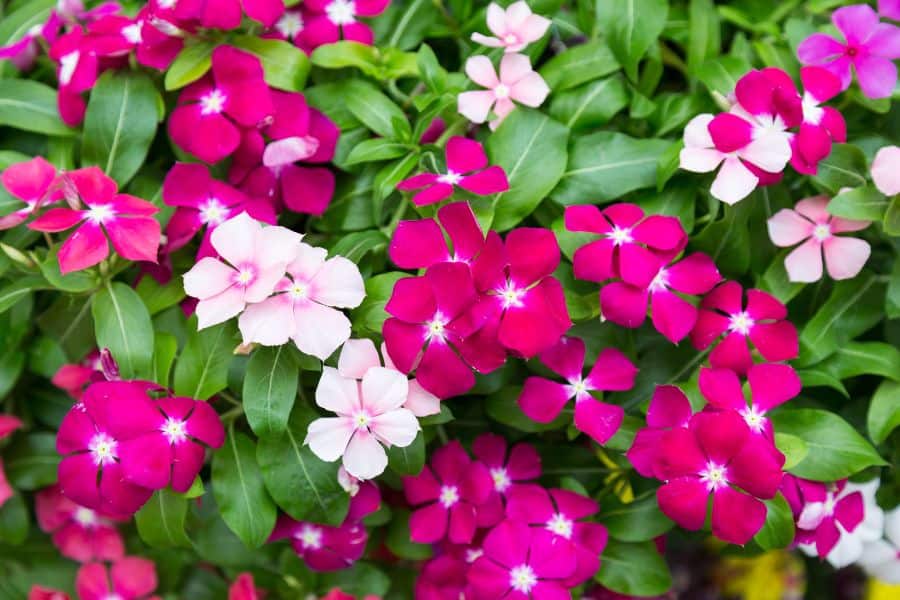
Vinca (Catharanthus)
Vinca is the most reliable summer annual for South Jersey conditions — full stop. It blooms continuously from planting through frost in pink, red, white, coral, and bicolor, handles full sun and summer heat without flinching, and is notably drought tolerant once established. It doesn’t need deadheading — spent flowers drop on their own and new ones keep coming. Low maintenance, long season, consistently good looking. It’s a staple for a reason.
Sun: Full sun — performs best in hot, direct sun Deer resistance: High — deer generally avoid it Watering: Every 2–3 days once established; daily during heat waves
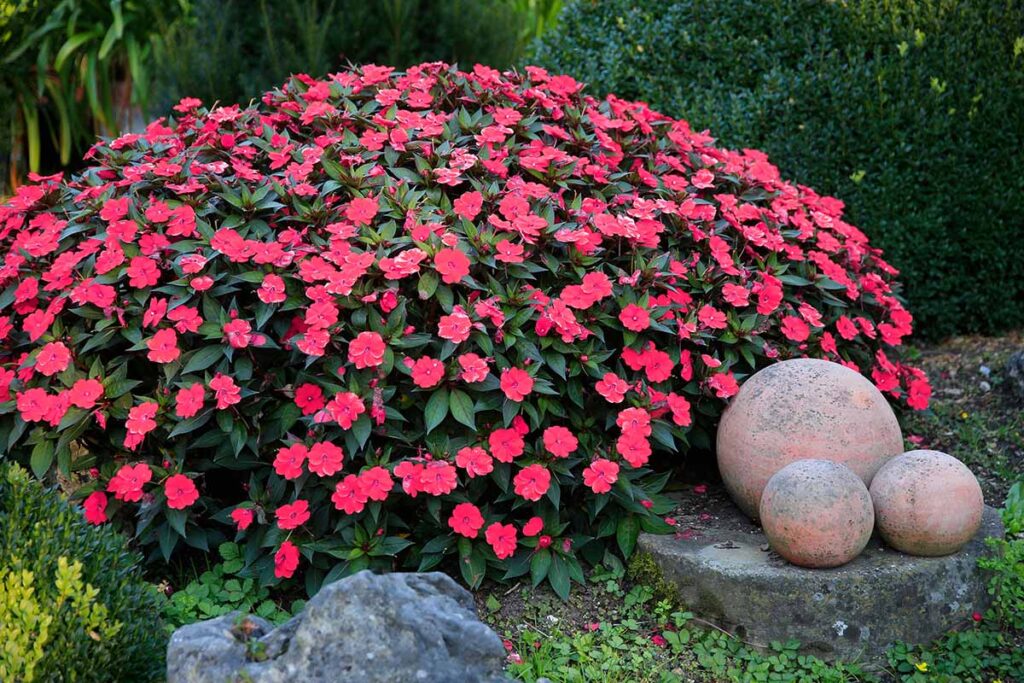
Impatiens
Impatiens are the answer for shade. In deep shade situations where vinca won’t bloom and most annuals struggle, impatiens deliver masses of color reliably all summer. They come in every color, grow quickly, and fill shaded beds effectively. The tradeoff is water — they wilt fast when dry and need consistent moisture to stay looking good. They’re also the most deer-preferred annual on this list, so if deer are regular visitors to your property, expect them to get hit.
New Guinea impatiens are a step up — larger flowers, more sun tolerant, and somewhat better deer resistance than standard impatiens.
Sun: Full shade to part shade Deer resistance: Low — a preferred food source for deer Watering: Daily in hot weather — they go down fast when dry
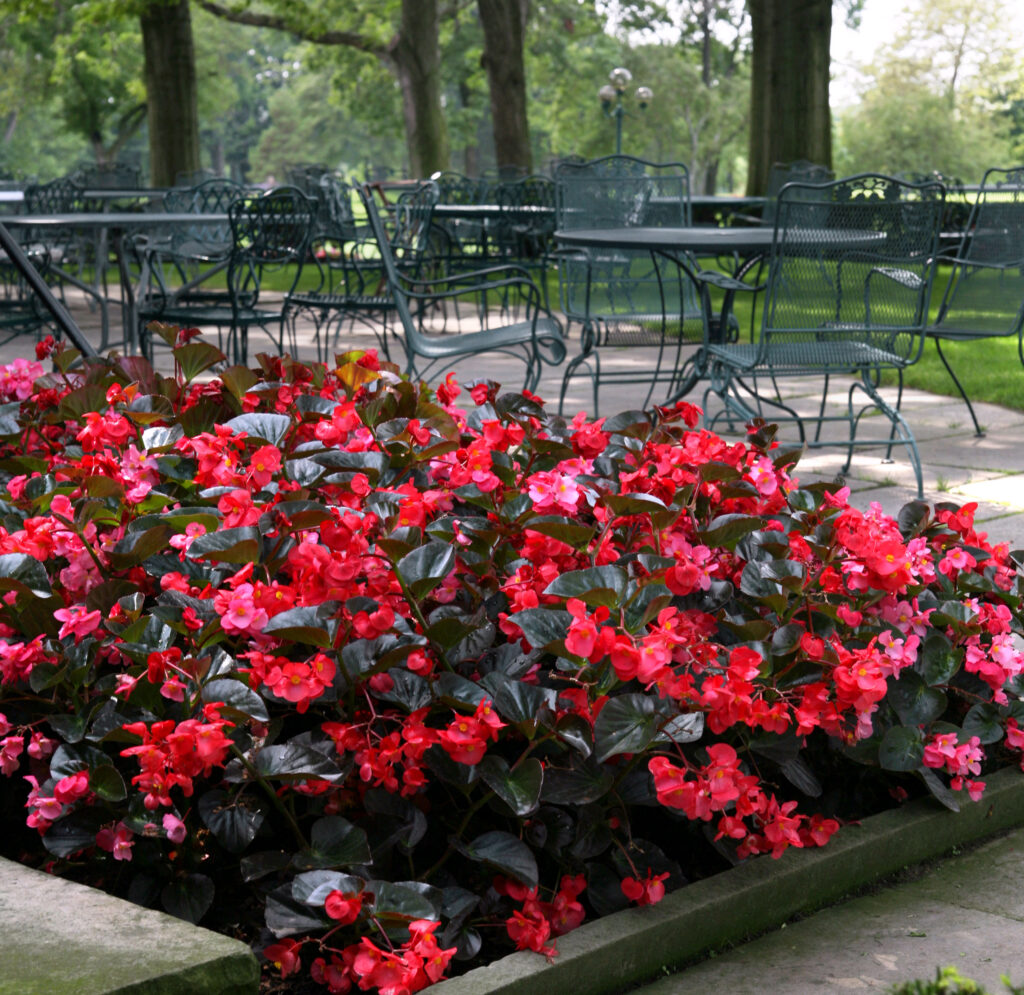
Begonias
Begonias split the difference between vinca and impatiens — they handle part shade well and bloom continuously in red, pink, and white with minimal maintenance. Wax begonias are compact and tidy, good for edging and front-of-bed placement. Dragon Wing begonias grow larger with arching stems and bigger flowers, good for filling more space in partially shaded areas.
Worth knowing: begonias with smoother, glossier leaves tend to attract deer more than those with waxy or textured foliage. In high deer pressure areas this matters.
Sun: Part shade — handles more sun than most people expect if watered consistently Deer resistance: Moderate — varies by variety Watering: Every 1–2 days; consistent moisture keeps them blooming
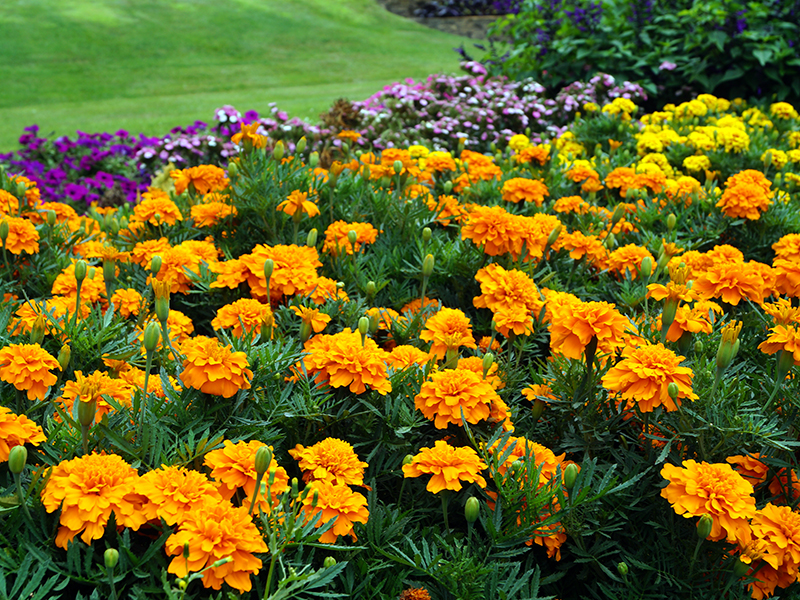
Marigolds
Marigolds are one of the most deer-resistant annuals available. The strong scent that people either love or find overwhelming is exactly what deters deer, and it works. They bloom in yellow, orange, and red through summer into fall, tolerate heat and dry conditions well, and are some of the easiest annuals to grow. Planting them at the front edges of beds can also help protect less resistant plants behind them.
Sun: Full sun Deer resistance: Very high — the scent is the deterrent Watering: Every 2–3 days; very forgiving of missed waterings
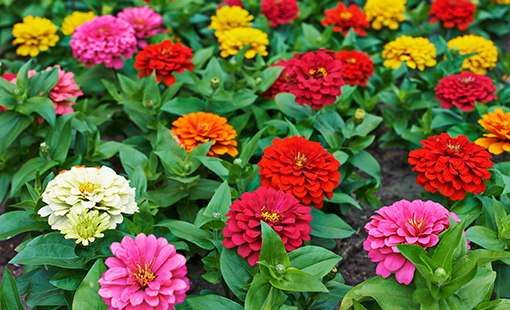
Zinnias
Zinnias are a summer staple — big, bold, colorful flowers in almost every color except blue, full sun performers, heat lovers, and long bloomers from planting through frost. The rough texture of the leaves deters deer effectively. They attract butterflies and make excellent cut flowers. Deadhead spent blooms to keep new flowers coming.
Sun: Full sun Deer resistance: High — rough leaf texture deters deer Watering: Every 2–3 days; avoid wetting the foliage to prevent powdery mildew
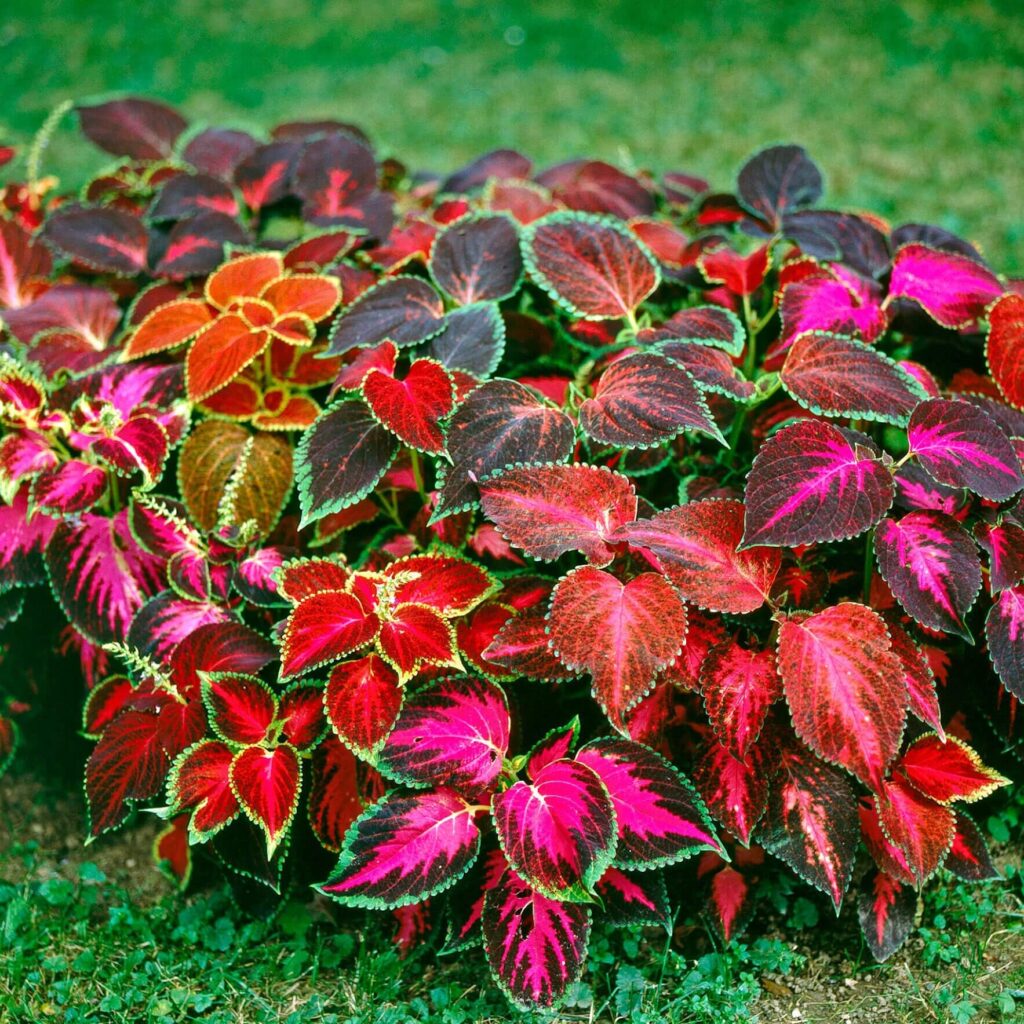
Coleus
Coleus is grown for foliage rather than flowers — the leaves come in combinations of green, red, burgundy, yellow, orange, and cream that are more visually dramatic than most flowering annuals. Modern varieties handle more sun than older types, though they still do best with some afternoon shade in the hottest South Jersey summer conditions. Works well as a contrast plant next to flowering annuals in partially shaded beds.
Sun: Part shade to full sun depending on variety Deer resistance: High — deer typically avoid it Watering: Every 1–2 days; consistent moisture produces the best foliage color
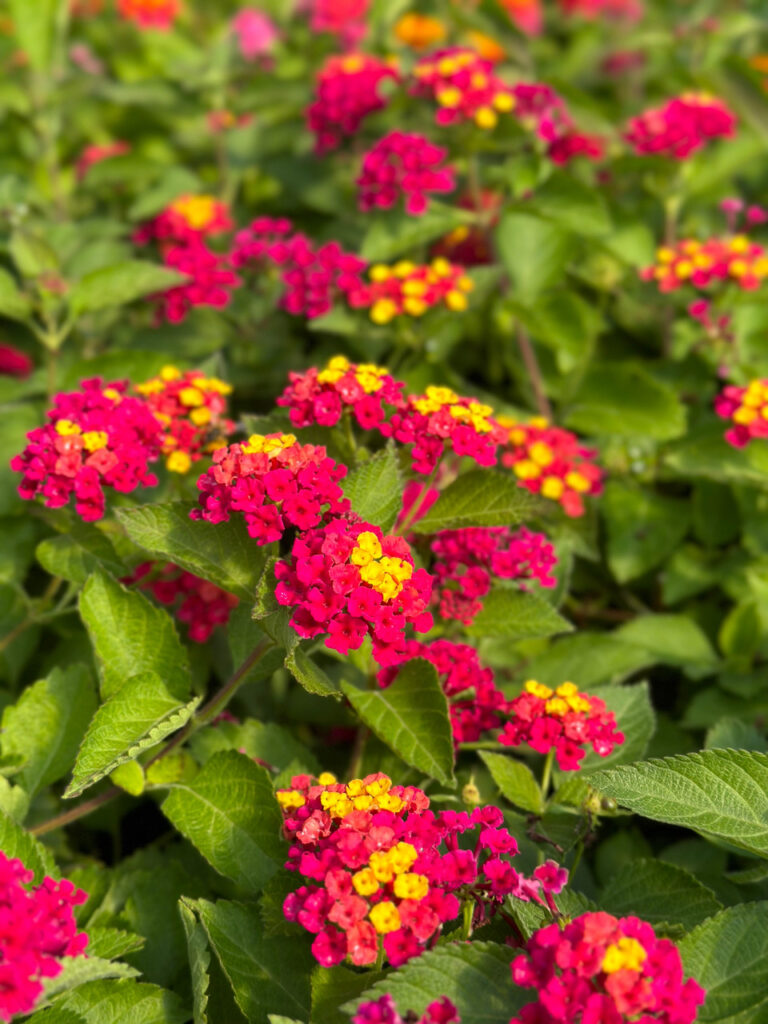
Lantana
Lantana is one of the best summer annuals for South Jersey if you want something that blooms continuously, handles heat and drought, and that deer won’t touch. Small clustered flowers in multicolor combinations of yellow, orange, red, and pink bloom from planting through frost. Pollinators love it. It’s nearly bulletproof once established — good for the hottest, driest spots in a bed where other annuals struggle.
Sun: Full sun Deer resistance: Very high — toxic to deer Watering: Every 3–4 days once established; very drought tolerant
Fall Annuals — September Through December

Chrysanthemums (Mums)
Mums are the dominant fall annual in South Jersey. They come in early at garden centers — sometimes in August — but they perform best and last longest when planted in September. Colors range from white and yellow to deep burgundy, rust, and purple, in sizes from compact 12-inch mounds to large 24-inch plants.
One thing worth knowing: most mums sold in fall are grown as annuals and won’t reliably overwinter in New Jersey. Fall mums from the nursery are essentially seasonal color — beautiful while they last, plan to compost them when they’re done. If you want perennial mums that come back, those need to be planted in spring so they establish a root system before winter.
Sun: Full sun Deer resistance: Moderate — the scent deters some deer Watering: Every 1–2 days; mums dry out fast in fall beds
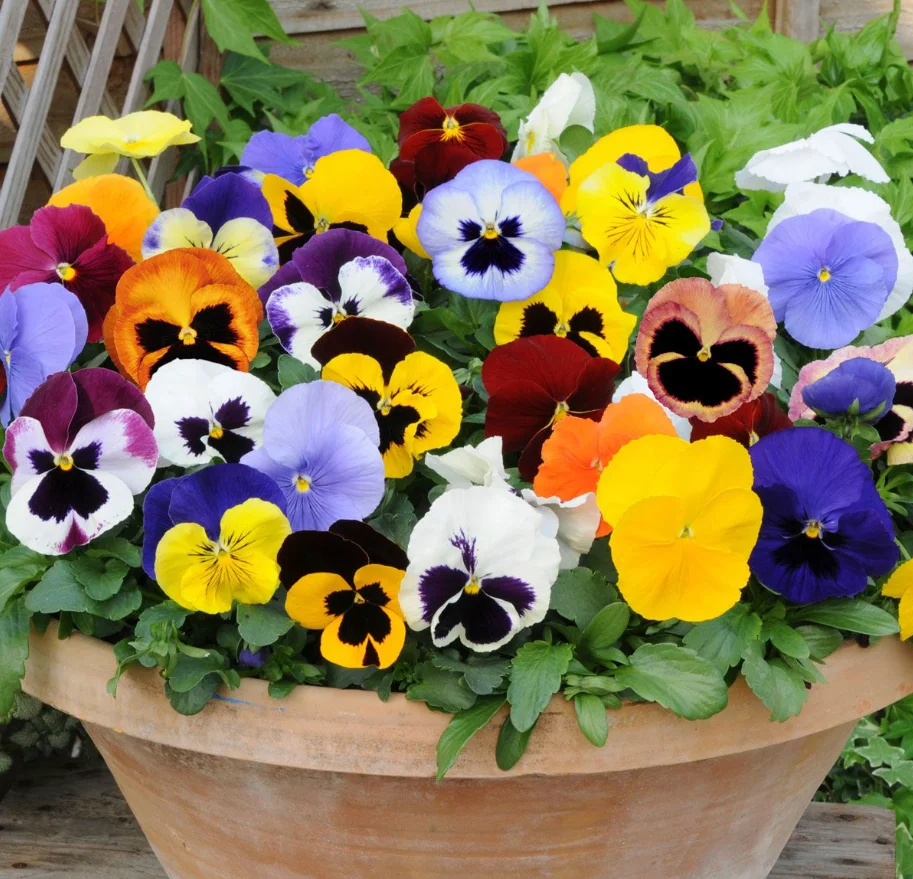
Pansies
Pansies are technically a cool-season annual but they deserve their own section because they do double duty in South Jersey — once in fall and again in spring.
Plant them in late September or October alongside mums. They’ll bloom through November and often into December in mild years, handle hard frosts without flinching, and here’s the part most homeowners miss — they frequently overwinter and re-bloom in March before the heat finishes them in late spring. You get two seasons out of one planting. The fall pansy is one of the best value moves in the annual flower calendar and it’s a move most homeowners skip entirely.
Sun: Full sun to part shade Deer resistance: Low — deer will eat them
The Three-Rotation Schedule
If you want a simple framework for continuous color from spring through late fall, here’s what we recommend:
Rotation 1 — After Mother’s Day (Mid-May) Plant warm-season annuals. Vinca for sun beds, impatiens for shade, begonias for part shade. Add marigolds or zinnias where deer are a concern. These carry you through summer.
Rotation 2 — September Pull or cut back summer annuals, plant mums. Your fall color — burgundy, rust, purple, white — through October into November.
Rotation 3 — Late September to October Get pansies in the ground. They carry color through November and December, and if the winter cooperates they’ll be back again in March.
Three rotations. Beds that look good from May through December. A yard that never has that neglected look during the months you’re actually using it.
A Note on Watering
The most common reason annuals fail is inconsistent watering in the first few weeks after planting while roots are still establishing. Once established, most bed annuals can go every 2–3 days in average summer conditions. During heat waves or in sandy soil, check more often — if the top inch of soil is dry, water. Vinca, marigolds, and lantana are the most forgiving of missed waterings. Impatiens are the least.
A Note on Deer
Burlington County has significant deer pressure and deer do not respect your plant choices. The most deer-resistant options on this list are vinca, marigolds, lantana, zinnias, and coleus. The most vulnerable are impatiens and pansies. If deer are a regular problem on your property, lean toward the resistant options or use repellent sprays on vulnerable plants — especially right after planting when new foliage is most attractive to deer.
No annual is completely deer-proof when deer are hungry enough. Choosing resistant varieties and using repellents consistently are the best tools available short of a fence.
We do annual flower planting for clients throughout Burlington County — spring installs, summer swaps, and fall color. If you want your beds looking sharp without managing the rotations yourself, that’s something Morgan Landscape can handle.
We serve Lumberton, Eastampton, Mount Laurel, Westampton, and the surrounding towns.
Contact us about landscape design and planting → Learn about our lawn and landscape services →